



-
 CASINGView MoreCASINGThe pipe inserted into the drilling hole from the surface as the lining of the well wall, and the main material between the pipes is J55 N80 P110 steel grade, and the hydrogen sulfide corrosion resistant C90 T95 steel grade, and the lower steel grade (J55 N80) can be welded steel pipe .View More
 -
 TUBINGView MoreTUBINGa pipe inserted from the surface into the casing to the oil layer through the coupling or integral connection between the pipes to the pumping unit to transport the oil layer through the tubing to the surface. The main material is J55 N80 P110.View More
 -
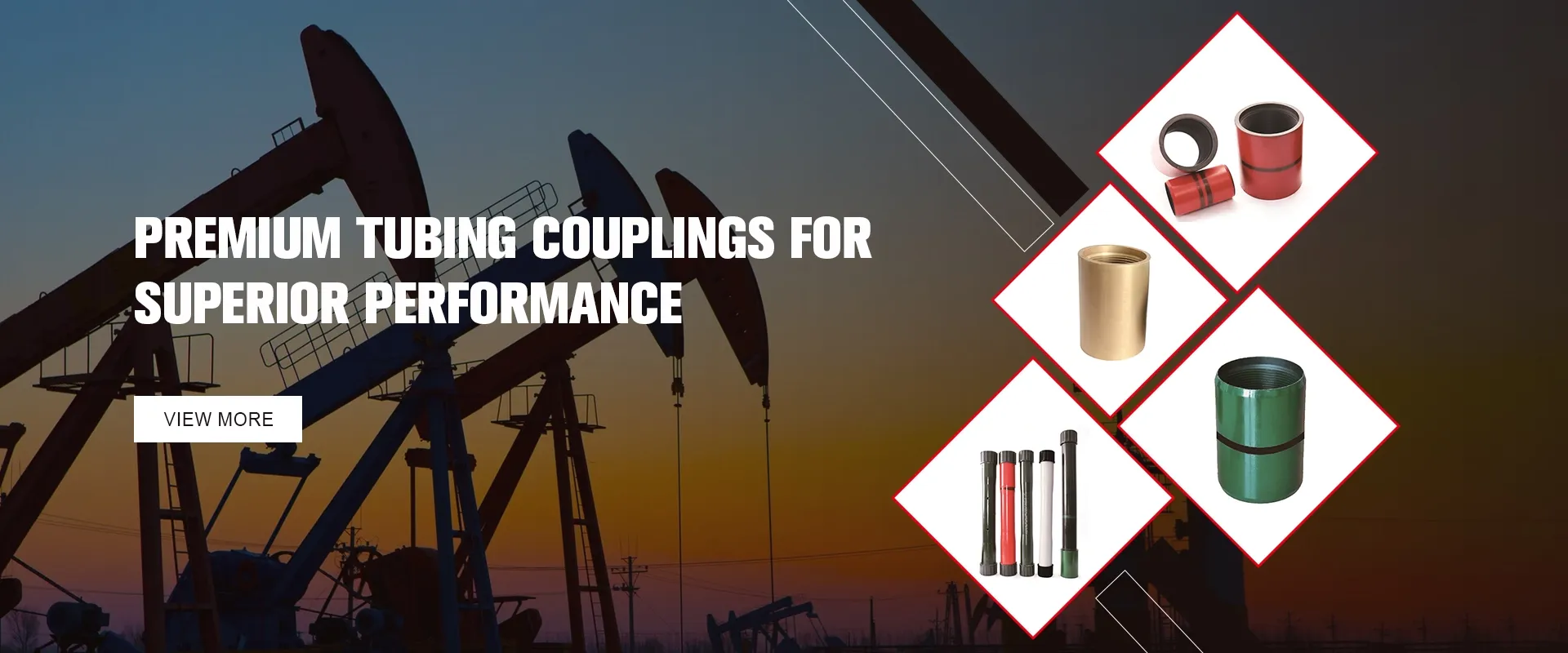
 THE STRUCTURE OF THE TUBING COUPLING ISView MoreTHE STRUCTURE OF THE TUBING COUPLING ISthe tubing end and the inner wall of the coupling are connected by conical thread, and the tubing end of the coupling body is connected by flat thread with the same thread and pitch, which has the characteristics of relieving the stress concentration at the root of the external thread of the tubing connected by a single cone thread, and is not easy to produce fatigue and fracture, and the connection effect is good and effectively prevents the accident of the oil well string breaking.View More
seating nipple in tubing
The Importance of Proper Seating of Nipples in Tubing In various industries, the use of tubing to convey fluids is crucial, whether in oil and gas, chemical processing, or even in medical applications. A significant component of piping systems is the nipple, a short piece of pipe with threaded ends that connects two other fittings. Proper seating of nipples in tubing is essential for ensuring system integrity, safety, and efficiency. When we talk about the seating of nipples, we refer to how securely the nipple is threaded and positioned within the tubing system. An improperly seated nipple can lead to several issues, most notably leaks, which can compromise both safety and operational efficiency. Leaks can cause substantial financial losses, environmental damage, and in some cases, hazardous situations, especially in high-pressure systems. The Importance of Proper Seating of Nipples in Tubing Another crucial aspect of nipple seating is the application of the appropriate torque during installation. Each type of fitting has a recommended torque specification that should be adhered to closely. Over-tightening a nipple can cause thread damage, while under-tightening can lead to insufficient sealing. Using a torque wrench is vital for achieving the correct balance, minimizing the risk of future leaks. seating nipple in tubing To further ensure the success of nipple seating, it is advisable to use appropriate sealing compounds or tapes. These materials can provide an additional layer of protection against leaks. However, care is needed; over-application of such compounds can also cause problems, as it may impede the metal-to-metal contact necessary for a secure fit. Regular inspection and maintenance of tubing systems are essential practices not only for preventing leaks but also for prolonging the life of the equipment. Technicians should schedule routine checks on the connections, looking for signs of wear, corrosion, or improper seating. Early detection of potential issues can facilitate timely repairs and avoid costly system failures. In addition to technical aspects, training and education play an important role in ensuring the proper seating of nipples in tubing. Workers need to be familiar with the various factors affecting installation, including the tools, methods, and protocols involved in seating nipples correctly. Investing in training initiatives can lead to a more competent workforce, ultimately reducing the number of errors and enhancing overall safety. In conclusion, the proper seating of nipples in tubing is a critical issue that influences the safety and efficiency of fluid conveyance systems. By understanding the materials, implementing correct installation practices, using the right tools and compounds, and maintaining regular inspections, organizations can significantly reduce the risk of leaks and enhance system longevity. As industries continue to evolve, prioritizing proper methods in tubing systems will remain essential to operational success.
-
 Company Staff100
 -
 Company occupies an area17000
 -
 Capacity1500000
 -
 Lathe30
 -
 Testing measuring tools30